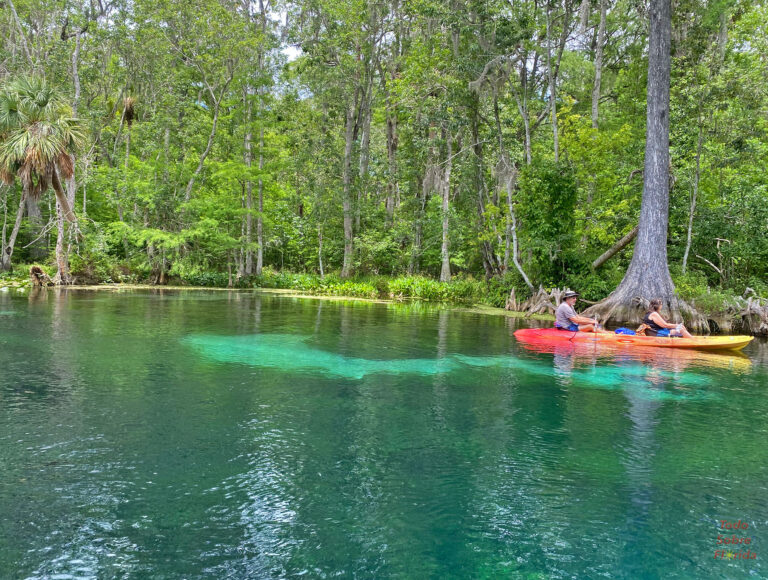
If you’re planning a trip to Florida, you’re probably thinking about beaches, theme parks, palm trees, and lots of sunshine. And yes… that’s all part of the experience. But there are also a few things that most visitors don’t discover until they’re already here.

After living in Florida for more than 25 years and exploring much of the state, I’ve learned a few little things that can make any trip easier—and even more fun. Here are some tips you’ll probably appreciate before your Florida adventure begins.
Florida weather changes faster than you think
One minute you’ll have bright blue skies… and an hour later, you could be watching a heavy rainstorm.
The good news? Especially during the summer, these afternoon showers usually don’t last long. Before you know it, the sun is back out like nothing ever happened.
My advice is simple: pack a small umbrella or one of those lightweight ponchos that barely takes up any room in your bag. Whatever works best for you.
Sunscreen will become one of your best friends
Even on cloudy days, the Florida sun is strong.
Many visitors end up with a sunburn during the first days of their vacation simply because they underestimate how intense the sun can be.
Sunscreen, sunglasses, and a hat can make a huge difference, especially if you’ll be spending several hours outdoors. I also like carrying a small umbrella—not just for the rain, but for some extra shade while walking.

Always carry a reusable water bottle
This is probably the travel tip I repeat the most.
Between the heat, humidity, and all the walking, staying hydrated is very important.
Many theme parks, attractions, airports, and public places have free water refill stations, so bringing a reusable bottle is always a good idea.
Another thing many international visitors don’t know is that tap water is free at restaurants throughout the United States (unless you order bottled water). Most places will also refill your glass as many times as you need, and many restaurants in Florida will even give you a cup of water to go.
Trust me… water is one thing Florida won’t deny you.
(And if you’re visiting during the summer, don’t miss my article about rainy days in Central Florida.)
Mosquitoes love Florida too
Especially during the summer and near natural areas.
If you’re planning to visit springs, state parks, hiking trails, or the Everglades, don’t forget insect repellent.
Trust me… Florida mosquitoes work full-time.
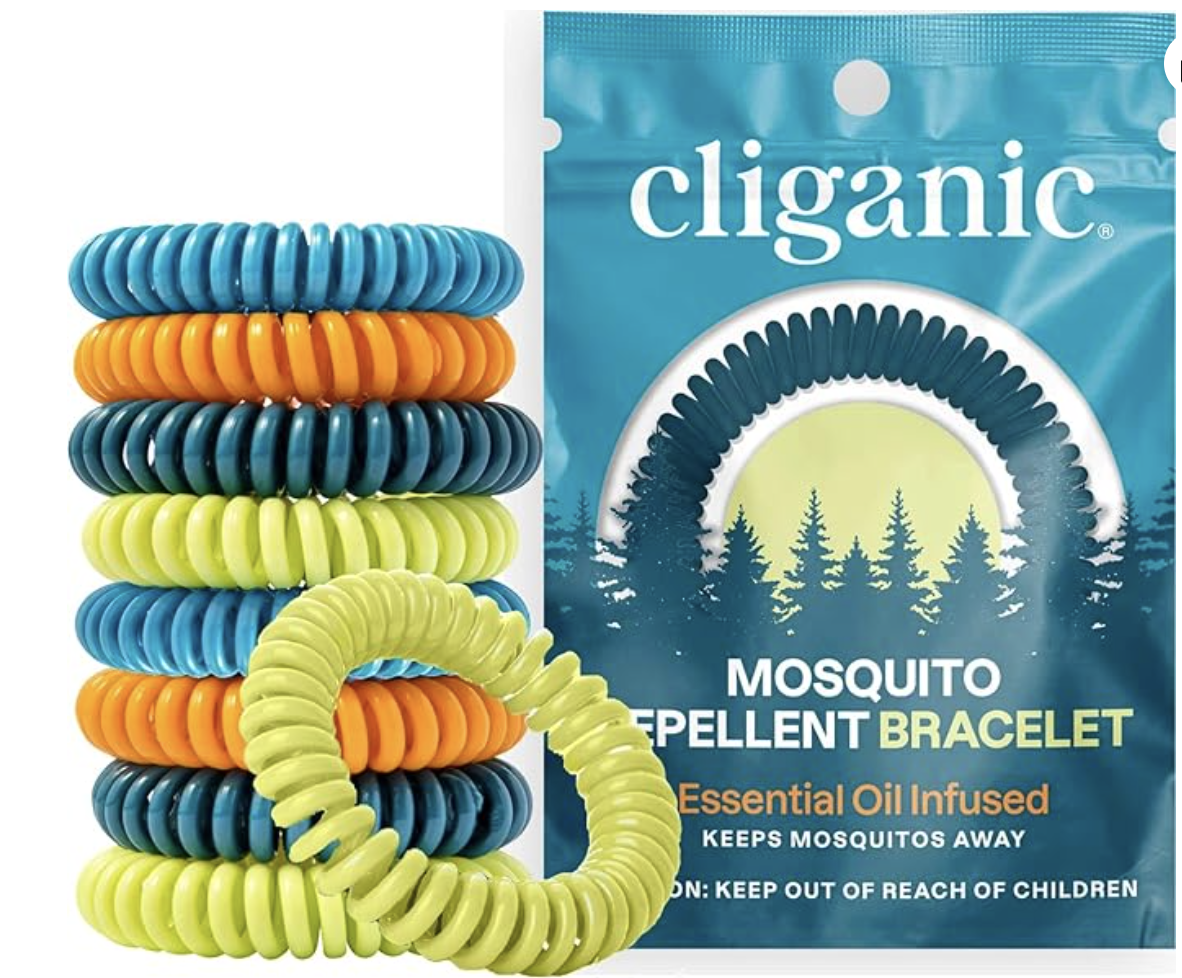
I sometimes wear mosquito-repellent wristbands like the ones in the photo above, and they actually work pretty well for me. Sometimes I wear one on my wrist and another around my ankle. Of course, a good insect spray or lotion works great too.
The good news? At the beach I rarely get bitten thanks to the ocean breeze! Yay!
Summer means heat… and lots of humidity
Many people expect Florida to have dry heat. Nope. The humidity makes it feel much hotter than the actual temperature, so walking around for hours can be much more tiring than expected.
That’s why many locals—and experienced visitors—plan outdoor activities early in the morning and save museums, shopping, or restaurants for the afternoon, when they can enjoy some air conditioning.
And yes… afternoon rain showers are also very common during the summer. Once again… don’t forget your water bottle!
Pack for Florida’s changing weather
What you pack can make a big difference during your trip.
If you’re visiting during spring or summer, lightweight, breathable, and quick-drying clothes are your best friends. Florida is hot and humid, and afternoon rain showers are common, so comfortable clothing makes exploring much more enjoyable.
If you’re visiting during winter, dressing in layers is the way to go. Mornings and evenings can feel surprisingly chilly, while by lunchtime you might be walking around in short sleeves.

In fact, I always joke that a typical Florida winter day goes something like this:
- Until 9:00 a.m.: Winter.
- From 10:00 a.m. to noon: Fall.
- From noon to 3:00 p.m.: Summer.
- Late afternoon: Fall again.
- After sunset… Winter is back.
Of course, it’s not always like this, but it’s a funny way to explain how unpredictable Florida weather can be between December and February.
A light sweater or thin jacket almost always comes in handy—even if the afternoon sunshine makes you think you packed too much.
Florida is much more than theme parks
Yes, Disney and Universal are amazing. But Florida has so much more to offer. Crystal-clear springs, historic towns, quiet beaches, botanical gardens, state parks, kayaking, food halls, museums, scenic trails, and charming downtowns are all waiting to be explored.
Some of my favorite memories in Florida happened far away from the theme parks… although I still love visiting them too! Take some time to explore the area around your hotel. You might discover a hidden gem that doesn’t even appear in most travel guides.
And of course… that’s exactly why I created this blog—to help you discover those places.
Be ready for toll roads
If you’re renting a car, chances are you’ll drive on toll roads. Many Florida highways no longer have cash booths. Instead, cameras read your license plate, and the toll is charged electronically.
If you’re renting a vehicle, ask the rental company how their toll system works. In many cases, they’ll pay the tolls first and charge you later, sometimes with additional service fees. It’s a small detail, but it can save you an unexpected surprise after your trip.
Yes, Florida has alligators… but don’t worry
This is probably one of the questions people ask me the most. Yes, Florida has lots of alligators—or simply “gators.” No, they aren’t chasing tourists through the streets.
That said, if there’s fresh water nearby, there’s a good chance a gator lives there too. Just respect wildlife, never feed them, and always follow the park rules when visiting lakes, rivers, or springs.
One of my favorite places to see alligators in their natural habitat is the free Lake Apopka Wildlife Drive near Orlando.

Distances can be very misleading
Florida may not look that big on the map… until you start driving. Orlando to Miami takes about four hours without heavy traffic.
Key West is much farther than many visitors expect, especially because the Overseas Highway isn’t a typical interstate. But honestly? It’s one of my favorite drives anywhere in Florida.
Cities like Tampa, St. Petersburg, and Crystal River may also look close together, but drive times can easily be longer than expected.
Even as a local, I still use GPS—not because I don’t know where I’m going, but because I always want the fastest route with the least traffic.
Early mornings are your secret weapon
This tip works almost everywhere in Florida. Theme parks, beaches, springs, hiking trails… even popular breakfast restaurants. Arriving early usually means cooler temperatures, less traffic, easier parking, and fewer crowds.
At the theme parks, many guests take advantage of what’s known as “rope drop,” heading straight to the most popular attractions as soon as the park opens.
The same goes for beaches and springs, where mornings are usually quieter and much more relaxing before the afternoon heat arrives.
And if you’re staying near Disney or other tourist areas, don’t assume breakfast will be quick. I’ve waited 45 minutes or more for a table for two around 9:00 a.m. during busy seasons.
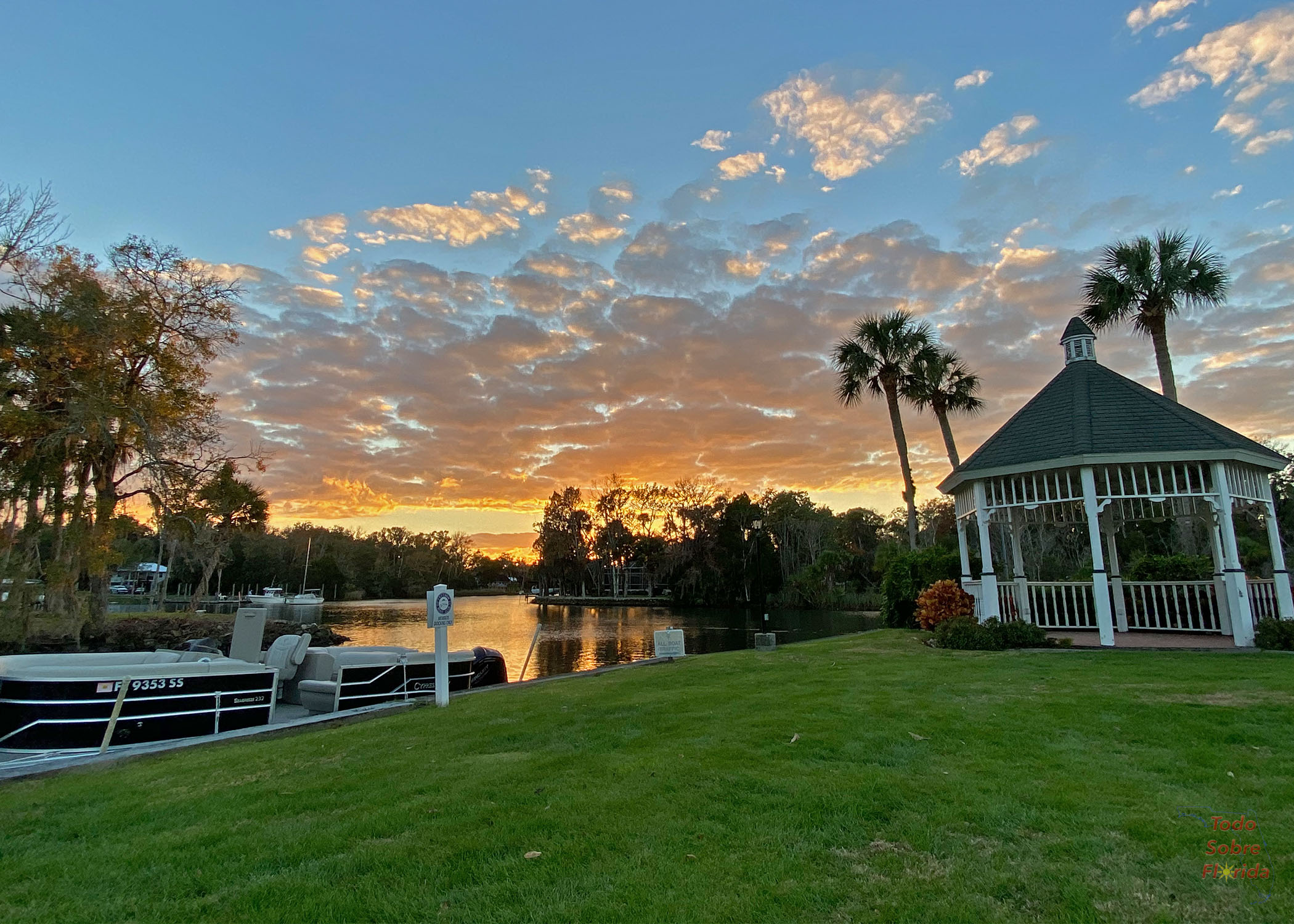
One more bonus: your photos will almost always look better in the soft morning light.
Florida’s food is so much more than burgers and pizza
Florida is one of the most diverse states in the country, and that shows in its food. Try a Cuban sandwich in Miami or Tampa (locals still debate who makes the best one), enjoy a guava pastry with Cuban coffee, taste fresh seafood, discover Greek food in Tarpon Springs, or explore amazing Venezuelan, Colombian, Peruvian, Brazilian, and Caribbean restaurants.
Cities like Miami, Orlando, and Tampa offer an incredible variety of international cuisine. You’ll also find famous restaurants like Versailles in Miami and Columbia Restaurant in Tampa, the oldest restaurant in Florida.
One of the best parts of traveling is discovering new flavors.


Leave room for unexpected adventures
This may be my favorite travel tip of all. Some of the best memories happen when you make an unexpected stop, discover a small local café, visit a park that wasn’t on your itinerary, or follow a recommendation from a local.
Sometimes the places that seem “too touristy” end up being surprisingly fun. For example, Showcase of Citrus in Clermont offers monster truck rides through a working citrus farm, animal feeding, and a fun family atmosphere.
Or if you’re exploring the Everglades, an airboat ride is one of the best ways to experience Florida’s incredible wildlife.
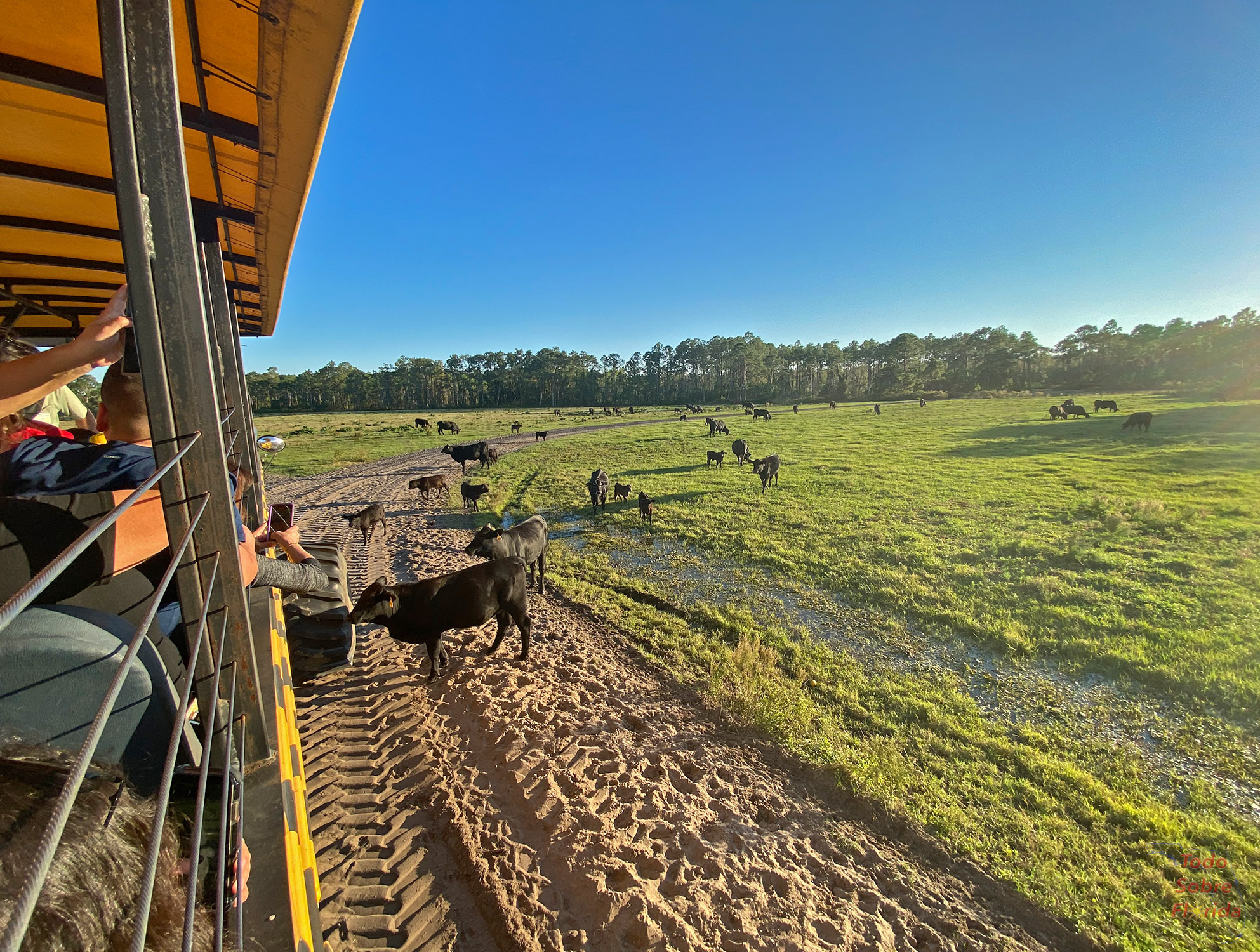
Another example…
If you’re driving north from South Florida toward Tampa, the fastest route is Interstate 75. But making a small detour through St. Petersburg using I-275 lets you cross the beautiful Sunshine Skyway Bridge—the tallest bridge in Florida—and it’s absolutely worth it.
Or when we drove from Orlando to Destin, instead of driving almost seven hours in one day, we spent a night near Wakulla Springs and explored places like Falling Waters State Park, home to Florida’s tallest waterfall, and Florida Caverns State Park.
Those unexpected stops became some of our favorite memories.
Enjoy Florida beyond the famous attractions
Traveling to Florida is about much more than theme parks and beaches.
Every city offers something different, from historic downtowns and hidden gardens to crystal-clear springs, scenic drives, and local restaurants that often become the highlight of your trip.
My advice is simple: leave room to explore. Because many times, the best travel memories come from the places that were never part of the original plan.